Who needs a website?
Honest answers and concrete examples - for trades, hospitality, tattoo studios, salons and clubs.
Almost anyone who wants to win customers, guests, or members needs a website today - not because everyone else has one, but because people look you up on their phone first and decide in seconds. When you have a fixed address that Google knows and that people can find even without a social media account, you catch exactly the inquiries that would otherwise go to the next business in line. Honestly, not everyone needs a big site right away: if you sell exclusively through a marketplace or platform and that works well for you, a lean one-page site is often enough to start. But as soon as you want to be found, build trust, or pull your inquiries, appointments, and reservations together in one place, there is hardly any way around having your own site. Below we go through the industries where this pays off the most, and for each one we spell out exactly what the site needs to do and what it costs.
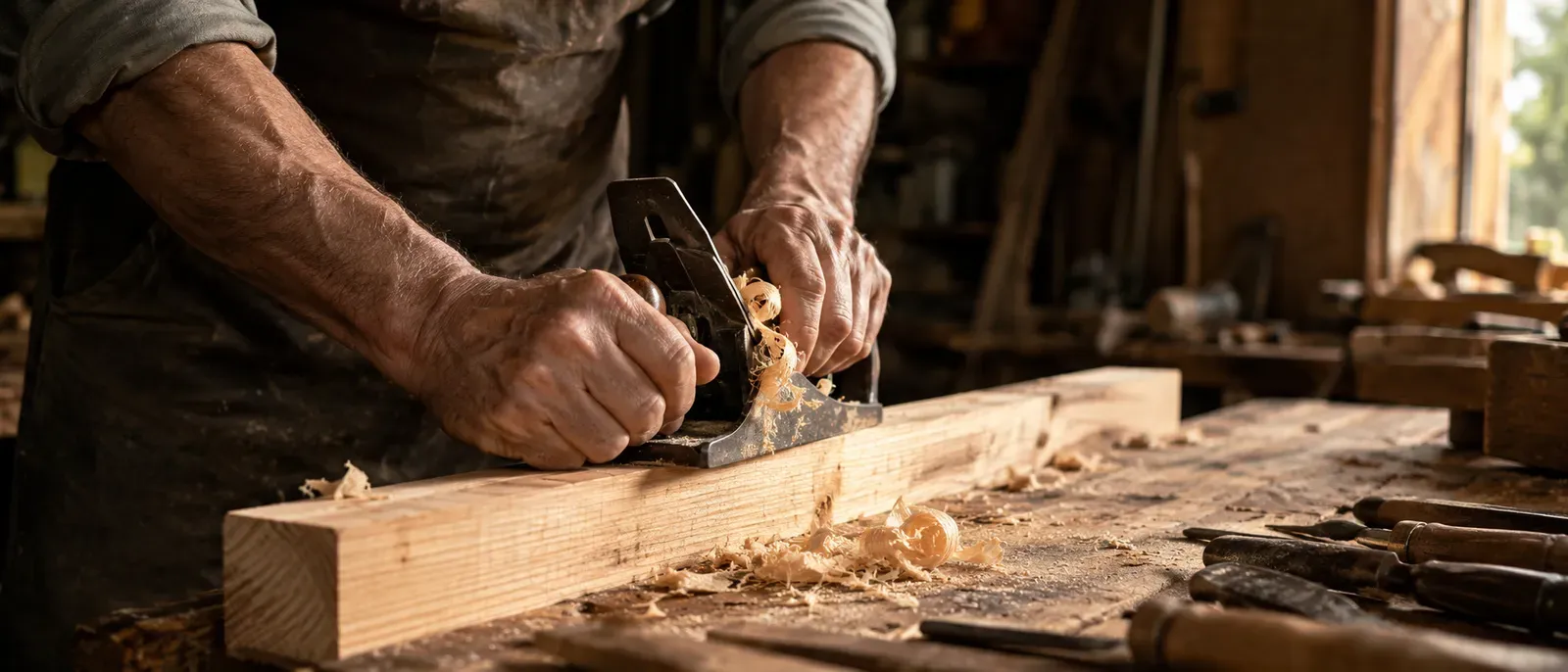
Website for craftsmen: get found locally instead of just waiting on referrals
Referrals are worth their weight in gold for a trades business, but they dry up as your regulars get older and the younger generation searches for everything on their phone. When someone needs a roofer, electrician, or plumbing and heating company today, they google with a town name, glance at the photos and phone number for two or three seconds, and call whoever makes a trustworthy impression. Your own site catches exactly these inquiries, weeds out the unsuitable ones from far away on its own, and helps you find journeymen and apprentices on the side, who search online these days too.
- A big, tap-to-call phone number: Most people just call. That is why your number belongs up top where it is easy to see, and on a phone it should dial with a single tap - not buried in the legal notice.
- Real photos from your job sites: The sealed flat roof, the finished bathroom, your own team up on the scaffolding: your own pictures convince people, while everyone spots bought stock photos right away. If you do not have good shots, we will sort through phone photos together or plan a short photo session.
- Services and service area clearly named: Pitched roof, flat roof, skylights, repairs, storm damage - or bathrooms, heating, heat pumps, maintenance, emergency service - all at a glance, plus the towns where you work. That way the customer knows right away whether you are the right fit, and Google ties you to the region.
- Fast and clean on a phone: Almost everyone looks while out and about. The site has to load in a second or two and work with your thumb, otherwise the prospect moves on to the next business.
- Contact form with photo upload: A short form where the customer sends a picture of the damage right along with their location and phone number. You can see what it is about up front and do not have to play phone tag three times. The inquiries land reliably in your inbox, not in spam.
- Legal notice and privacy, handled for you: A legally sound legal notice, a GDPR-compliant privacy policy, an encrypted connection, and a cookie banner only when it is truly needed. I set this up cleanly from the start so you do not lose sleep over a warning letter.
Example
After the storm, a customer spots a water stain on the ceiling. On your site they tap 'Call now' at the top from their phone and are connected to you instantly - or they use the short form, upload a photo of the damage, enter their location and phone number, and send it off. The inquiry lands neatly in your inbox (not in spam), photo and all: you see right away what it is about, whether it is urgent, and where it is, without playing phone tag three times. For businesses looking for new staff, a simple careers subpage gets added: 'We're hiring,' where a journeyman or apprentice can get in touch in two clicks.
What does a tradesperson's website cost - one time and per year?
A lean landing page starts at around 200 EUR, and a fuller business website runs between 1,000 and 5,000 EUR depending on scope. If you want to think through the structure and copy carefully up front, you can book an optional concept phase from 100 EUR. The only ongoing costs are the domain and hosting - a manageable yearly amount that I name clearly in advance. There is no mandatory maintenance contract that runs on forever; you decide what you book. Depending on your state, there are sometimes grants for going digital that we can quickly check.
Is this even worth it if I already have plenty of work from referrals?
Referrals stay your strongest channel, but even a referred customer googles you today before they call. If they find nothing, or a site from ten years ago, you look less credible than the competition. A site does not blindly bring more volume - it brings better-matched inquiries: you say clearly up top what you do, which area you cover, and what you specialize in, which filters out the unsuitable inquiries from far away. And when you are fully booked, the site is often the best tool for finding journeymen and apprentices.
Will this get me found on Google when someone types 'roofer' and my town?
The website is the foundation, but it only works in combination with other things. For you to show up for 'roofer + town' or 'heating emergency service + town,' the town and trade need to be in your headings and copy, along with a well-kept, free Google Business Profile - which I will set up too if you want. Paid ads are not a must for this; for a local trade in the region you can usually do without. No one reputable can guarantee a top spot, but the odds are good because the competition online is often weak.
Who maintains the site later - I am on the job site all day?
A trades site does not need constant upkeep - it basically runs on its own. Things that change now and then, like your phone number, prices, a new team photo, or a finished reference project, you either adjust yourself in a simple interface or send to me quickly over WhatsApp, and I take care of it. You do not have to click through any complicated program or sit at the computer in the evening.
What about privacy and the legal notice - who handles it, and who is liable?
I set up the legal notice and privacy policy in a legally sound way from the start, the connection is encrypted, I host the fonts locally (a common reason for warning letters), and a cookie banner only appears when it is truly needed. With your own photos you are also on the safe side when it comes to image rights. Legally, you as the operator remain responsible for the site, but I make sure the usual pitfalls never come up in the first place. This does not replace legal advice; for special questions, bring in your attorney.
Can you show me examples from other trades businesses?
Yes - in the free initial consultation I will show you sites I have built and walk you through what works well on them. If your exact trade is not among them yet, we will look at comparable businesses and I will explain how I would approach your site - honestly, and without selling you more than a small business needs.
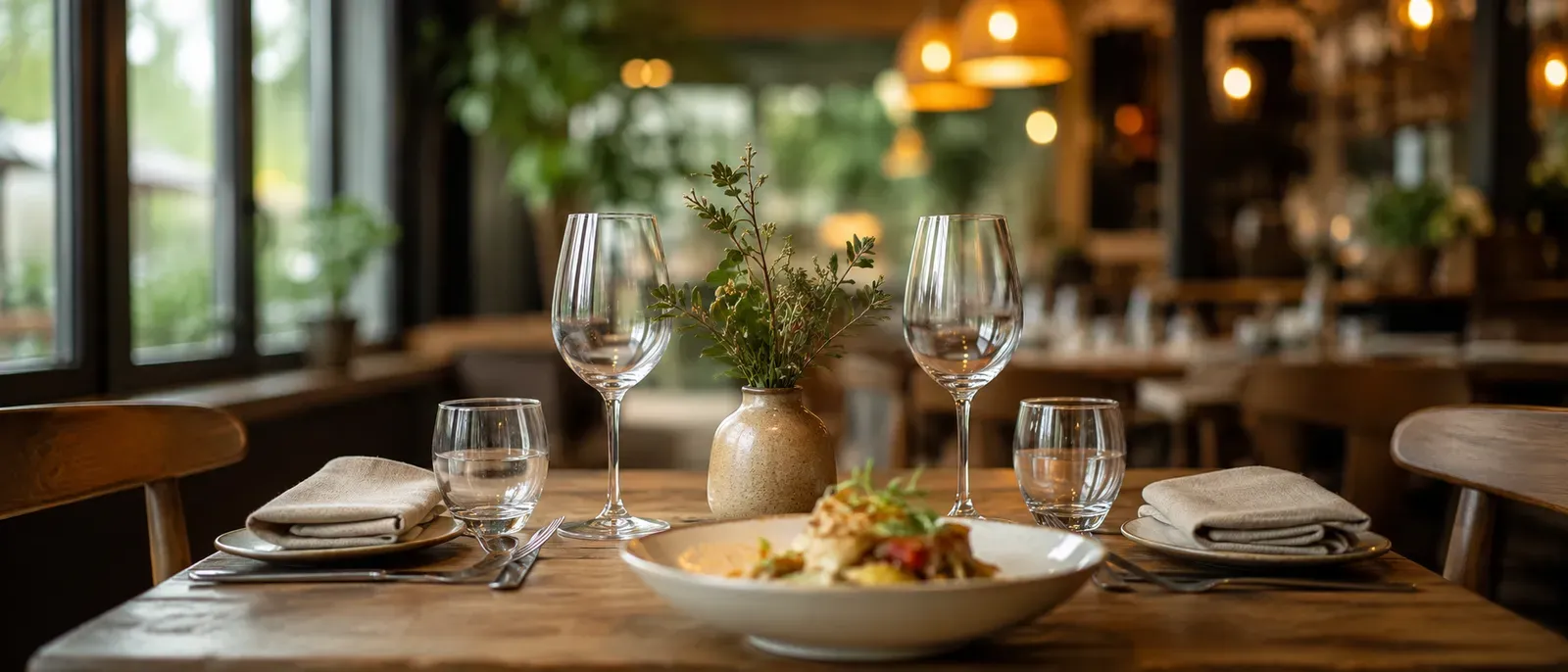
Website for restaurants, cafes, and bars: get found and fill your tables
Most guests search from their phone, often on the go and with queries like "Italian near me" or the name of your town. A Facebook profile or the Google listing alone rarely shows what really matters: current opening hours, the actual menu, a table in two clicks. Your own website belongs to you, shows up on Google for your city, and turns a searcher into the guest standing at your door tonight.
- A menu you change yourself: Seasonal menu, a new lunch special, different prices - you update all of it yourself through a simple form, ideally right from your phone. As easy as sending a WhatsApp, without having to call and pay for every change or worry about breaking something.
- Opening hours, directions, and a one-tap call: Opening hours including holidays and closing days, the address with a map, directions, and parking options - all at a glance. The phone number is big and dials with a single tap on a phone, because that is exactly what guests keep calling to ask.
- Reservations without an expensive booking system: A simple form: the guest picks a date, time, and party size, and the request lands in your inbox as an email, and on your phone too if you like. You confirm back yourself - no monthly subscription, no tablet on the floor, and the same path works for catering or private parties.
- Get found on Google for your town: Someone who types "Greek food" plus your town should land on you, not just on the big delivery portals. For that, the site is built cleanly for local search and linked with your Google listing, so your details and opening hours match up everywhere.
- Real photos instead of stock images: Appetizing pictures of your dishes, the dining room, the terrace, or the beer garden - no interchangeable stock photos. That gives the site the atmosphere of your place and keeps it from looking like a hundred others.
- Legally sound and fast on mobile: A legal notice, GDPR-compliant implementation, and a cleanly integrated contact form are part of it, as are settled image rights - that takes away the worry about warning letters. And because almost all guests look on a smartphone, the site is optimized for mobile and loads fast.
Example
In the evening a guest googles "restaurant near me," taps on your site, and first sees a big, appetizing photo, below it the note "Open today until 10 PM" and a large "Reserve a table" button. They enter the date, time, and four people - seconds later the request is sitting in your inbox as an email and on your phone as a message, and you confirm back briefly. The next morning the lunch menu changes: you open the menu from your phone, swap out two dishes, done in two minutes - as easy as writing a message.
What does a website for my restaurant cost - one time and ongoing?
A lean landing page with menu, opening hours, and reservations is available from about 200 EUR, and a fuller business website runs 1,000 to 5,000 EUR depending on scope. An optional concept phase, in which we plan the structure and content together, starts at 100 EUR. The only ongoing costs are the domain and hosting - manageable amounts per year; the domain is registered in your name, and depending on your state there are funding programs.
Isn't my Facebook or Instagram and Google listing enough these days?
They complement each other well, but they do not replace your own site. On Facebook and Instagram the reach is not yours, and a lot gets lost in the feed. Your own website belongs to you, pulls all the information together in one fixed place, and strengthens your visibility on Google - you simply link the other channels to it.
Can I update the menu myself, or do I have to pay someone every time?
You update it yourself. You get a protected area with a simple form where you swap out dishes and prices in a few minutes, from your phone too. If you also want to offer a downloadable PDF menu, that works as well. If something does get stuck, I am reachable - but you are not dependent on me.
How do I manage to rank ahead of the big delivery portals on Google?
By building the site specifically for local search: clear copy with your town and cuisine, fast load times, and a link to your Google Business Profile. If you also keep up photos there and reply to reviews, that noticeably improves your position. No one reputable can guarantee the top spot, but for your town the odds are good.
Does a reservation made through the site reliably reach me?
Yes. The request goes to your inbox as an email, and as a message to your phone too if you like, so you do not miss anything even without a tablet on the floor. You see the date, time, and party size and confirm back briefly - like a digital reservation book, just without an expensive system with a monthly fee.
Is there anything I need to keep in mind about privacy and the legal notice?
A correct legal notice and a privacy policy belong on every site, the reservation or contact form is integrated in a GDPR-compliant way, and we settle image rights up front. I build this in cleanly from the start so you do not risk a warning letter over formalities. This does not replace legal advice, but the usual pitfalls are covered.
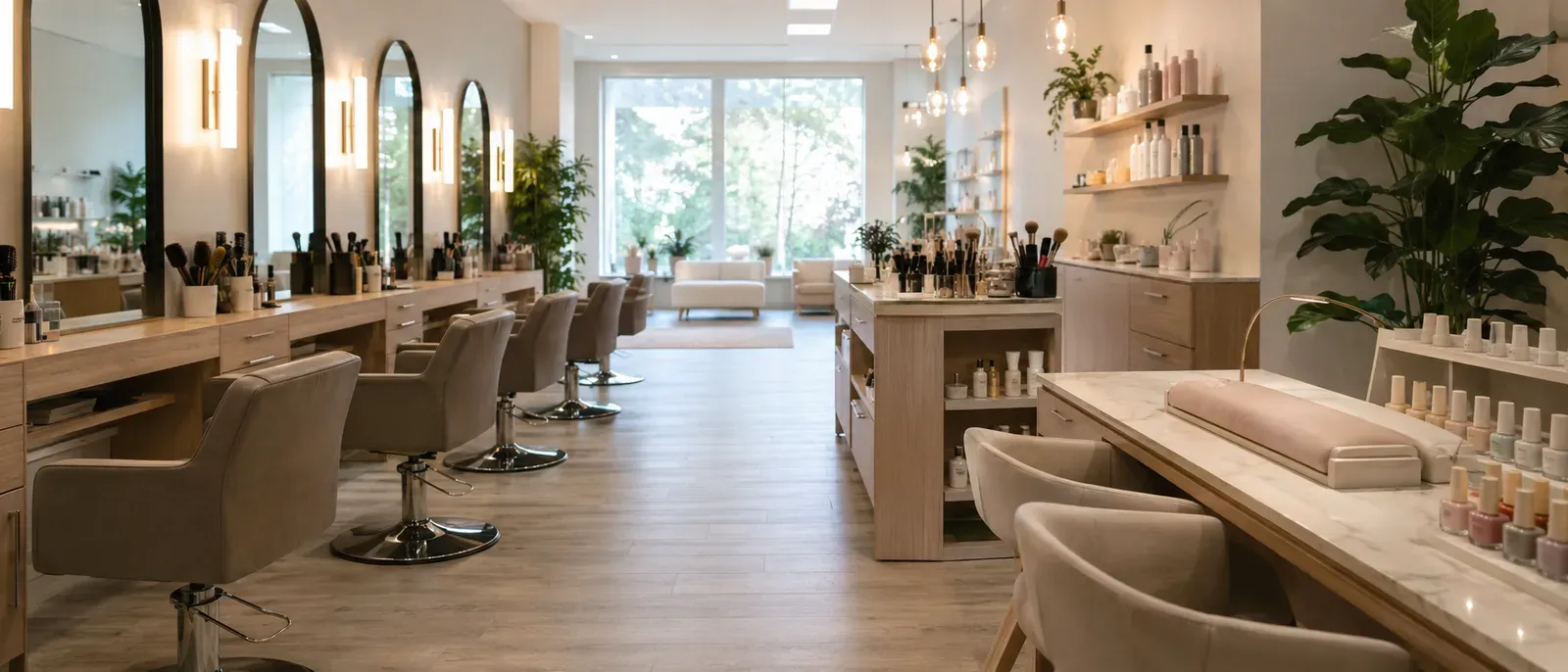
Website for hair and beauty salons: appointments around the clock
Your clients search for a salon from the couch and decide in seconds based on photos, prices, and the question of whether they can get an appointment right away. Instagram and a Google listing are a good start, but they do not belong to you and they will not take a booking at eleven at night. Your own website is the place where a "like" turns into a firm appointment on the calendar - around the clock and without a platform commission.
- Appointments around the clock, with no commission: The most important button reads "Book an appointment": visible up top, usable from a phone in seconds. The client picks the service, the stylist, and an open slot, instead of you having to run to the phone in the middle of a color treatment.
- A price list and services you maintain yourself: Cut, color, highlights, skincare - listed honestly and kept current. Changing a price or adding a treatment is something you do yourself, without calling and without paying extra for it.
- Built for the phone: Almost all of your clients look from a smartphone. The address with a map, opening hours, and a phone number that dials directly with a single tap - it all has to load in seconds and look clean.
- Real photos instead of stock images: Before-and-after shots, your salon, your signature style convince more than any purchased model. A gallery connected to Instagram shows the place is alive, without you having to maintain everything twice.
- Get found locally on Google: When someone types "hairdresser" and your town, you should show up. For that, the town and service belong in the copy, along with a well-kept Google Business Profile with your reviews - which I will set up too if you want.
- Legally sound from the start: A legal notice, a privacy policy, and a clean cookie notice are part of it, especially once a form or a booking processes customer data. For before-and-after pictures of your clients, we settle consent in advance, so no warning-letter risk arises from a formal slip.
Example
At the top of the site sits a "Book an appointment" button that follows along as you scroll. The client taps it, picks "Highlights + cut," sees the duration and your stylist's open times, and books herself - at half past ten at night, when no one is answering the phone anymore. She immediately gets a confirmation and a reminder by text the day before, the appointment lands automatically in your calendar, and you type nothing in. Essentially the Treatwell experience many people know - just on your own site, in your look, and without a commission on every booking.
Do I even need a website if I already run on Instagram and Google?
Instagram and your Google listing are valuable, but it is borrowed land: the platform makes the rules, and a profile is no substitute for a booking at 11 PM. Your own site is the place where interested people find everything important at a glance and make an appointment right away. For a two-chair salon it does not have to be anything big - a compact, fast site is often plenty.
What does it cost one time, and what comes on top each month?
A simple landing page starts at around 200 EUR; a full salon website with a gallery, prices, and booking usually runs between 1,000 and 5,000 EUR depending on scope. If you want to plan the structure and copy carefully up front, you can add an optional concept phase from 100 EUR. The only ongoing costs are the domain and hosting, typically a low double-digit amount per month - no subscription that locks you in, and no invoice for every little thing. Depending on your state there are sometimes grants for going digital; we will look at whether that fits for you.
Is online booking that fits my calendar possible without double upkeep?
Yes. Honestly, I do not build a shaky home-grown contraption for this - I integrate a proven booking tool that syncs with your calendar, so no double bookings happen and you do not maintain two systems. The client automatically gets a confirmation and a reminder by email or text, which in my experience cuts down on missed appointments. If you want to start small, you can begin with a simple appointment request and later expand to full booking.
Do I need salon software like Phorest for online booking?
No. Tools like Phorest are the common standard among salons and work well, but they are not a must. If you prefer, you can have a custom online booking solution built exactly around your salon, integrated right into your website. We look together at what actually fits your size and your calendar.
Will this get me found on Google for "hairdresser + town," and do you handle that?
The website is the foundation, but on its own it does not conjure a top ranking. For you to show up locally, the town and service belong in the title and copy, along with a well-kept Google Business Profile. I will set that up too if you want and show you how to make your reviews visible. No one reputable promises guaranteed spots - but the basics will be right.
Can I change prices, copy, and photos myself later?
Yes, and that matters to me. You get a site where you can adjust prices, upload new photos, and change opening hours - around Christmas, say - with no technical knowledge and no coding. You do not have to call and pay for every little thing. For bigger changes I am there, but you keep the day-to-day current yourself, so the site does not look outdated after a year.
What do I need to keep in mind about privacy when clients book or I show photos?
As soon as names and contact details come in through a form or booking, the site needs an encrypted connection, a clear privacy policy, and a sound legal basis. Booking data should sit where it belongs, not unprotected in an inbox. For before-and-after pictures of your clients you need their consent. I build this in correctly from the start so you do not face a warning-letter risk from a formal slip. This is not legal advice.
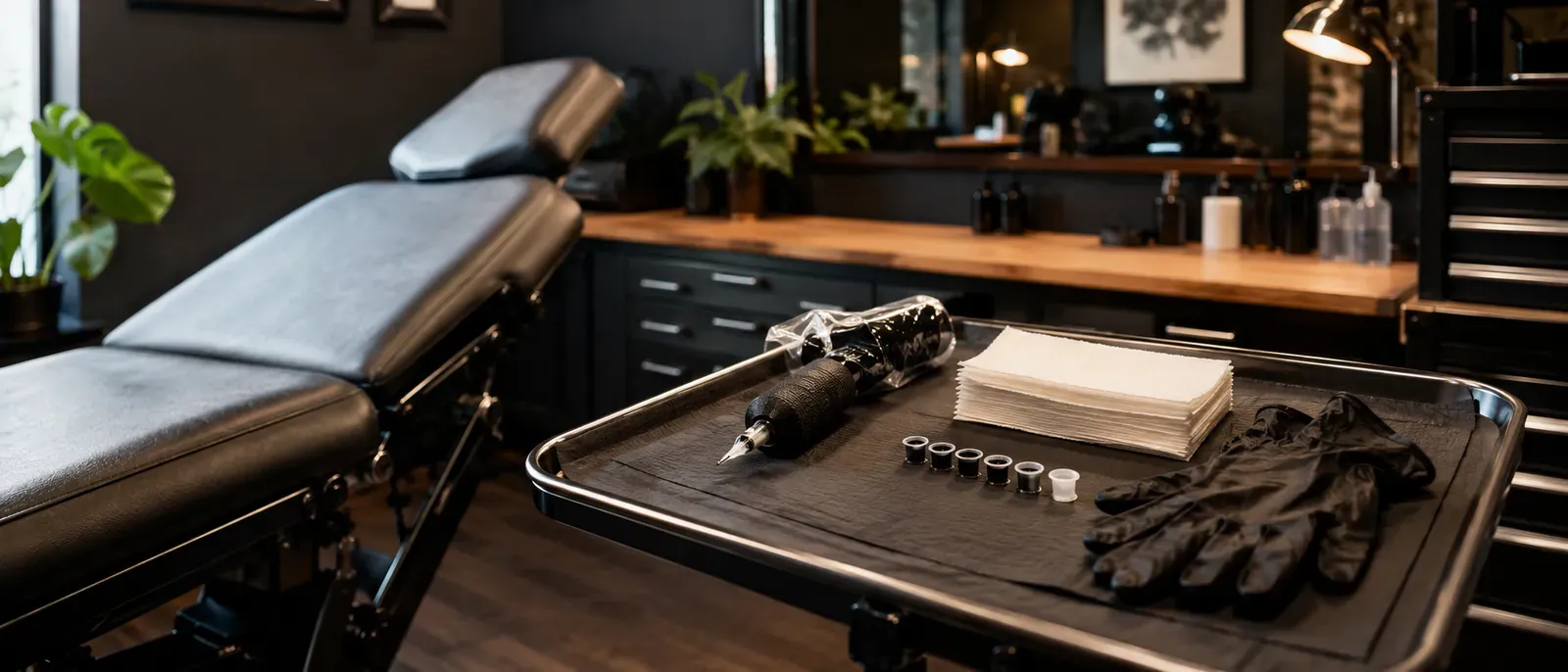
Website for tattoo studios: when Instagram alone is not enough
In tattooing and piercing, the first visual impression decides, and these days it almost always happens on a phone. Instagram is a strong storefront here, but it does not belong to you: the algorithm controls the reach, older work disappears in the feed, and someone who deliberately googles for a studio in their city or searches for a specific style rarely ends up in your DMs. Your own website is the one place that belongs to you - searchable on Google, reachable around the clock, and built so that the endless back-and-forth of DMs turns into a structured inquiry.
- A portfolio that feels like the studio wall: The centerpiece is a large-format gallery where tattoos and piercings are presented in high resolution and with room to breathe - sortable by artist and style like fine line, blackwork, or realism. You upload new work yourself, with no code and without paying someone every time.
- Every artist with their own signature: Individual profiles for each tattooist, team member, and guest artist, with a short style description and links to their social profiles. That way interested people see right away who fits the design they have in mind.
- A structured booking request instead of DM ping-pong: An inquiry form where the design idea, body placement, rough size, and two or three reference images all come in together. You can gauge before the first conversation whether a project is a fit and roughly what it will cost.
- Optional: a design configurator: If you like, a small tattoo designer where visitors put together a style, a motif idea, a size and a body area and send it straight as a structured request. It filters out mismatched requests and gives you a clear picture before the first conversation. How elaborate it gets is up to you.
- Trust through clear information: Hygiene and sterilization, the process, the minimum age, the deposit, and aftercare belong visibly on the site. That answers the same recurring questions up front and, above all, eases the uncertainty for new clients.
- Get found locally in your city: The address with a map, opening hours, and a clean local reference in titles and copy, plus a well-kept Google Business Profile. That is the foundation for your studio to show up at all when people search in the region.
- Legally sound with sensitive data: Health information and photos of body areas are especially sensitive, so inquiries run encrypted and are stored in a GDPR-compliant way. The legal notice, the privacy policy, and a separate consent for publishing client photos are built in cleanly from the start.
Example
The standout feature is an inquiry form made specifically for tattooing: interested people describe the design they want, choose the body placement, rough size, and style, and upload two or three reference images. Everything is transmitted encrypted, stored in a GDPR-compliant way, and arrives with you in one bundle - instead of scattered across twenty Instagram DMs. At first contact you already have everything you need for a realistic estimate of price and time. On top of that, your Instagram feed can be embedded, so the site never looks empty even if you do not post for a week, and you do not have to maintain your best work twice.
Do I even need a website if almost all my inquiries come in through Instagram?
Instagram stays your storefront - you do not have to give that up. But the channel does not belong to you, and people who deliberately google or search for a particular style are hard to reach through it. The website does not replace Instagram; it catches exactly the people who would otherwise end up at the next studio - and it belongs to you, address, portfolio, and inquiries included.
What does a site like this cost one time, and what comes on top ongoing?
A lean landing page starts at around 200 EUR. A full studio website with a portfolio, artist pages, and an inquiry form usually runs between 1,000 and 5,000 EUR depending on scope. The ongoing costs are the domain (about 10 to 20 EUR a year) and hosting; an expensive monthly flat fee is not needed. If you want to think through the concept and structure up front, you can add an optional concept phase from 100 EUR, and depending on your situation, funding may be an option.
Can I maintain the gallery and content myself, or am I dependent on you?
You maintain new designs, open appointments, prices, and opening hours yourself, with no technical knowledge. The site and the domain belong to you; there is no forced maintenance contract. If you want help, I am there - but you do not have to.
Will I even show up when people search for 'tattoo studio' in my city, or is that hopeless against the big studios?
Honestly: the top spots for a hard-fought search term are no sure thing, and no one reputable can guarantee them. Realistically, you gain the most through your local relevance, a well-kept Google Business Profile, and your niche - a particular style, say, or the neighborhood. For the right searches you are very much findable that way, even without a huge budget.
What do I need to keep in mind about privacy when clients send me photos of body areas or health data?
Details about allergies or pre-existing conditions are specially protected under GDPR, as are photos of body areas. Such data should be transmitted encrypted, stored sparingly and securely, and requires clear consent. We obtain consent for publishing client photos separately, and it is better not to run sensitive consent forms through an open form unsecured. That way you avoid the warning-letter risk from the outset.
Won't a site like this quickly look like a cookie-cutter template?
In the tattoo world that would almost be worse than no site at all. That is why the design is tailored to your vibe - dark, raw, artistic, if that suits you - instead of a stock template pulled over the top. The portfolio takes center stage, and everything else falls in line behind that impression. I will show you examples of sites I have already built in the initial consultation.
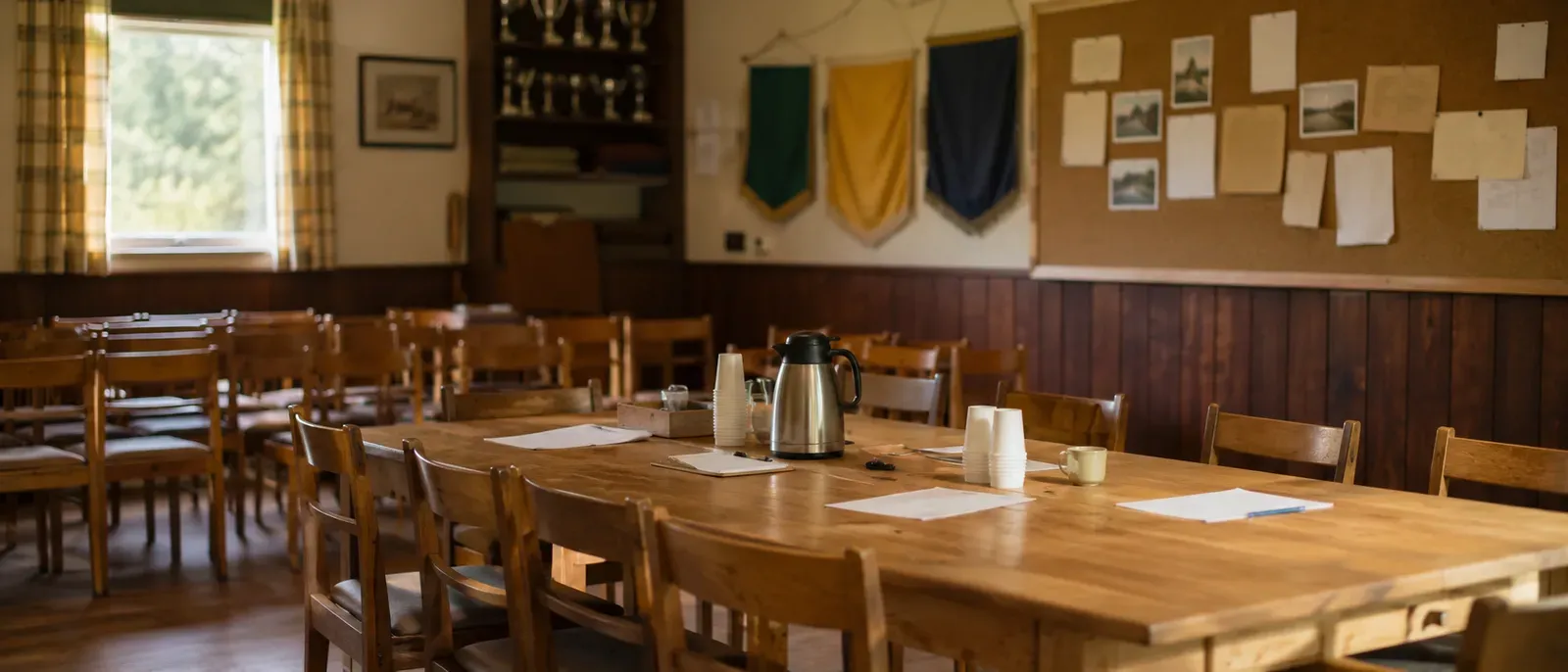
Website for clubs: easy to maintain, even after the next change on the board
A club belongs in the village, not in Facebook's algorithm. If you are looking for new members, sharing dates, or handing out open garden plots, you need a fixed address that Google knows and that people without an account can find too - from a trial session to the summer festival. Only one thing is decisive here: the site has to be so easy to maintain that it survives a change on the board and does not sit there neglected after a year.
- An events calendar you fill in yourself: Club festival, members' meeting, work day, or training times - you enter them through a simple input field, with no HTML at all. If you like, members can add a date to their phone calendar with one click or subscribe to it - handy, because almost everyone only checks on a smartphone now.
- Contact and joining without a hurdle: A form that lands directly in the board's inbox, plus the contacts for each section. The membership application is ready as a downloadable PDF or as an online form right away, whichever suits your club.
- Legal notice, privacy, and photo rights cleanly settled: A legal notice and privacy policy are mandatory for a registered association - I set these up in a legally sound way. For photos of members, and especially of children, we settle the necessary consents in advance, so no one can send you a warning letter.
- Get found locally on Google: When someone searches for your club, for 'local heritage club' or 'allotment plot available' in your town, your site should show up. For that, the town name and type of club belong in the title and copy - unlike with a Facebook page, you have that in your own hands.
- Documents and a photo gallery in one place: The statutes, garden rules, minutes, or the club newsletter as PDFs, plus a photo gallery of past festivals that you fill yourself. That convinces new members more than any sales copy and saves you digging through old email threads.
- Donations, sponsors, and open spots: A discreet donation or supporting-member button, a section where you thank local sponsors with their logo, and, if needed, a page for 'Available plots' or 'Trial sessions.' Interested people get in touch through the form, without your private cell number being public.
Example
The centerpiece is usually a digital bulletin board: through an input field you enter an event with a date, place, and photo - 'Summer festival on July 12,' for example - and it appears immediately at the top of the homepage under 'Upcoming dates' and in the calendar. Visitors add the date to their phone calendar with a click or subscribe to it, so a change of venue or a rain cancellation reaches everyone without you having to type 50 WhatsApp messages. For an allotment or sports club, I am happy to add a section for 'Available plots' or 'Request a trial session': interested people get in touch there through a form, and your private cell number stays out of it.
What does a club website cost - one time and ongoing per year?
That depends on the scope. A lean club site starts as a landing page at around 200 EUR; a full site with a calendar, gallery, and download area usually runs between 1,000 and 5,000 EUR, depending on what you want. The only ongoing costs are the domain and hosting - predictable and manageable per year. If you need clarity before the members' meeting, there is an optional concept phase from 100 EUR that puts a concrete number in your hands.
Can several board members maintain the site themselves?
Yes. You change dates, copy, and photos through simple input fields, without being able to program, and several people can take turns doing it. That is exactly why I build club sites deliberately simple: they should not become a burden on volunteers and should survive a change on the board, not hang on a single person.
What happens if the board changes or you are no longer reachable?
The domain is registered to the club, not to me, and the login credentials belong to you. Your content can be exported at any time. If I ever drop out, any other web developer can take the site over - you are not stuck with something no one can touch anymore. This kind of dependency is one of the most common worries, which is why it matters to me.
Do we even need this - we already have Facebook and WhatsApp?
Both are good for reaching active members. But they do not belong to you, they barely show up on Google, and people without an account are left out. Your own site is the fixed address everyone finds: the next tenant looking for an open plot, or the family that wants a trial session. It does not replace the social channels, it complements them.
What do we need to watch out for with photos from the club festival and of children?
For photos you need the consent of the people pictured, and for children that of their parents - ideally in writing. I set up a GDPR-compliant form, an encrypted connection, and hosting in Germany, and I give you a short guide on what is allowed with images. That keeps the warning-letter risk small.
Are there cheaper or subsidized solutions for nonprofit clubs?
Some states and foundations fund the digitization of volunteer work, and nonprofit clubs get discounts from some software providers. I cannot give you a guarantee. But in the initial consultation I will look with you at what is realistic for your club and which lean solution fits your budget even entirely without funding if it comes to that.
Frequently asked questions
What does your own website cost - and are there ongoing costs?
A lean landing page starts at around 200 EUR, and a full business website runs between 1,000 and 5,000 EUR depending on scope. If you want to plan the structure and copy carefully up front, you can add an optional concept phase from 100 EUR. The only ongoing costs are the domain and hosting - a manageable yearly amount that I name clearly in advance. There is no mandatory maintenance contract that runs on forever, and no invoice for every little thing. You get the exact price after a short conversation in which we map out your needs.
How long does it take until my website is online?
That depends on the scope and on how quickly the copy and photos come together. A lean site is often ready in one to two weeks, while a fuller site with several subpages, a gallery, or booking takes correspondingly longer. The content usually has the biggest influence: if images and information are ready, it goes quickly. In the initial consultation I give you a realistic timeframe, rather than promising something that cannot be kept.
Will the site get me found on Google?
The website is the foundation, but it only works in combination with other things. For you to show up for 'industry plus town,' the town name and service belong in the headings and copy, along with a well-kept, free Google Business Profile - which I will set up too if you want. For a local offering in the region you can usually do without paid ads. No one reputable can guarantee a top spot, but locally in particular the odds are often good, because the competition online is weak.
Can I maintain the site myself later, without being able to program?
Yes, and that matters to me. You change copy, prices, opening hours, and photos through simple input fields, often right from your phone, with no technical knowledge. As easy as writing a message. For bigger changes I am there, but you keep the day-to-day current yourself, so the site does not look outdated after a year. The site and the domain belong to you; there is no forced maintenance contract.
What about privacy, the legal notice, and protection from warning letters?
I set up the legal notice and a GDPR-compliant privacy policy in a legally sound way from the start, the connection is encrypted, I host the fonts locally, and a cookie banner only appears when it is truly needed. We settle forms and image rights up front, so the usual pitfalls never come up in the first place. Legally, you as the operator remain responsible for the site; this does not replace legal advice, and for special questions you bring in your attorney.
Are there grants or subsidies for my website?
Depending on your state and industry, there are funding programs for digitization, and nonprofit clubs get discounts from some providers. I cannot give you a guarantee, because the programs change and come with conditions. In the free initial consultation we quickly check what is realistic for your situation, and I show you a lean solution that fits your budget even entirely without funding if it comes to that.
Related articles
Website Costs & Hosting
How much does a website cost? Everything about pricing, hosting options and ongoing costs.
Website Funding
Government subsidies for your digital project - up to 80% of consulting costs covered.
Terminology & Use Cases
What is SaaS, API, Frontend/Backend? Plus practical examples for clubs, tradespeople and more.
Not sure whether a website is worth it for you?
In a free initial consultation we look at your situation together: I tell you honestly what your site needs to do, what it costs, and where we can start small. No sales pressure, no hidden follow-up costs - just a clear assessment and concrete examples of sites I have already built.
Request a free initial consultation